Heritage
How Gobustan became a reserve
From a chance discovery to the World Heritage List.
Gobustan has been protected by the state for more than half a century, and since 2007 it has been recognised as the heritage of all humankind.
1930s
A chance discovery
Quarry workers notice ancient images on the rocks.
1939
Excavations begin
Ishag Jafarzadeh begins the systematic study of the petroglyphs.
1948
The Roman inscription
Jafarzadeh finds the Latin inscription of the XII Legion at Böyükdaş.
1966
A state reserve
Gobustan is granted the status of a state historical and artistic reserve.
2007
World Heritage
UNESCO inscribes the "Gobustan Rock Art Cultural Landscape" on the List under criterion (iii); at the same time it gains national reserve status.
2011—2013
A new museum
The interactive Petroglyph Museum opens; in 2013 it wins the "European Museum of the Year" award.
Why it matters
UNESCO recognised Gobustan as exceptional testimony to the way of life of prehistoric peoples: their hunting, beliefs, dances and connection to the sea. It is a chronicle tens of thousands of years long, accessible under the open sky.
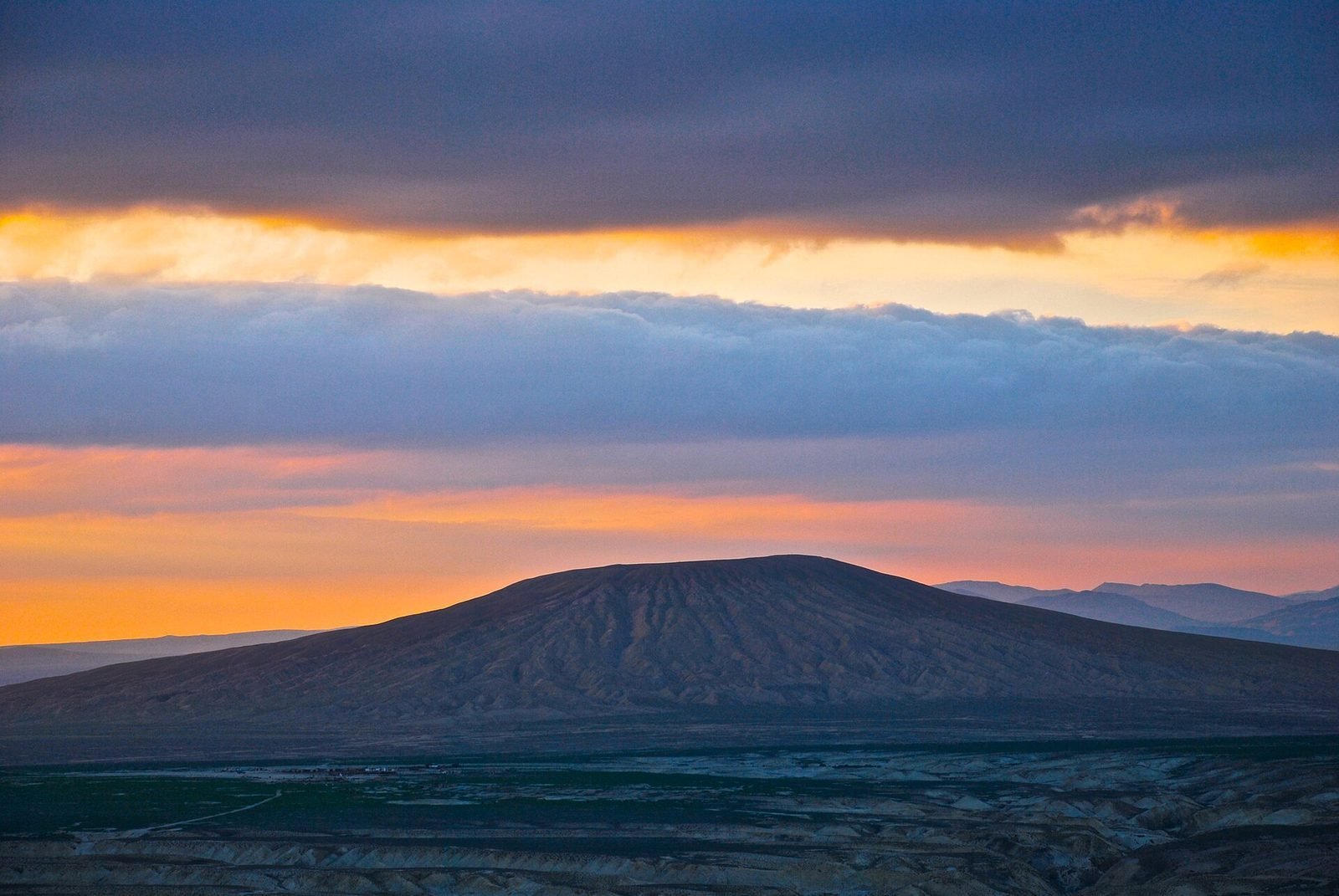
The territory
The core UNESCO protected zone covers 537 hectares, and together with the buffer zone more than 3600 hectares.