Gobustan
Cliffs that people carved for 20,000 years. A musical stone, a Roman inscription and mud volcanoes — an hour's drive from Baku.
An open-air chronicle written in stone
In the semi-desert 60–70 km southwest of Baku, on the hills of Böyükdaş, Kiçikdaş and Jingirdağ, more than 6000 rock carvings have survived. They were chiselled from the Upper Palaeolithic through to the Middle Ages.
Nearby stand the "singing" Gaval Dash stone, the easternmost Roman inscription in the world, and the mud volcanoes — of which Azerbaijan has more than anywhere else on the planet.
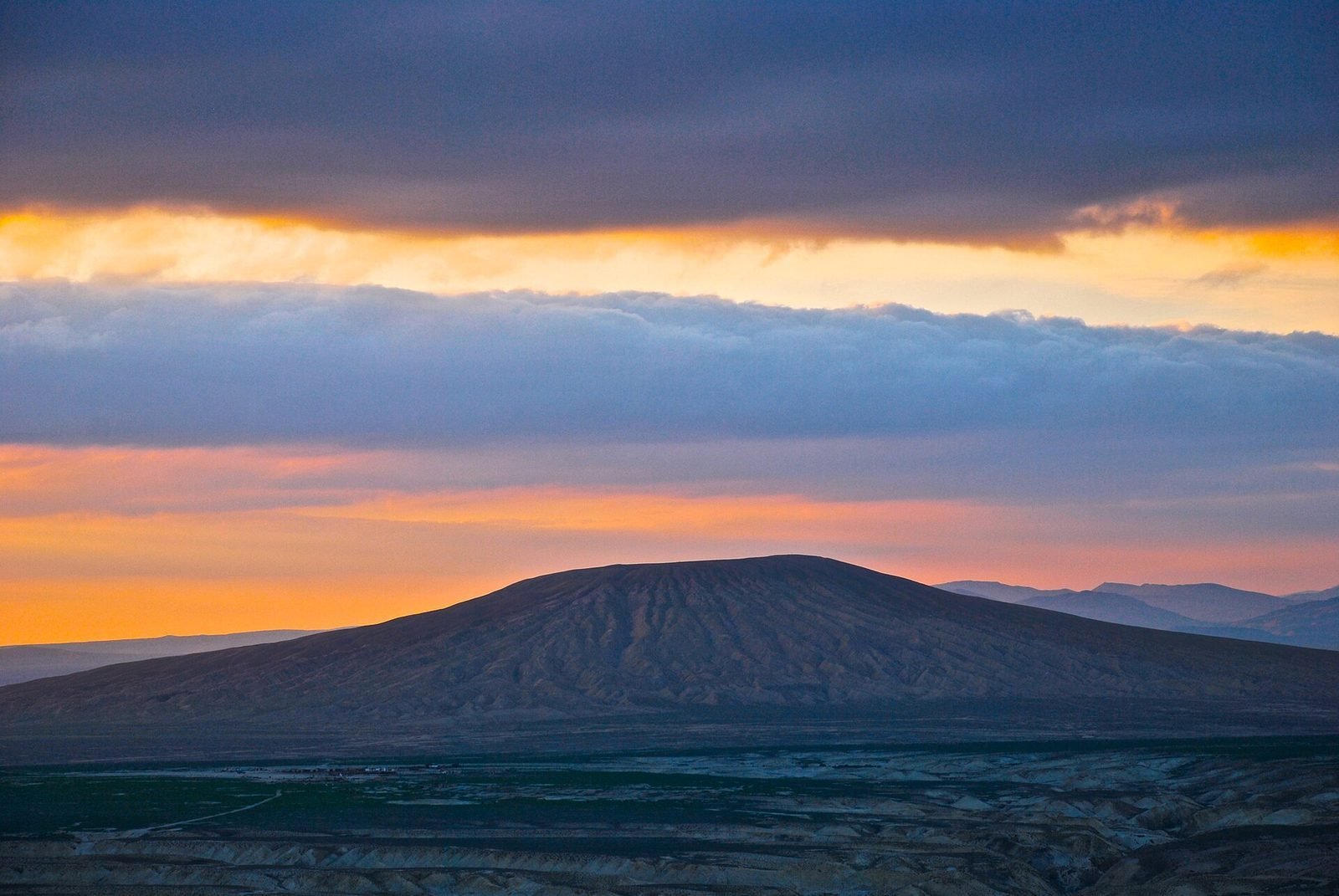
Four wonders in one place
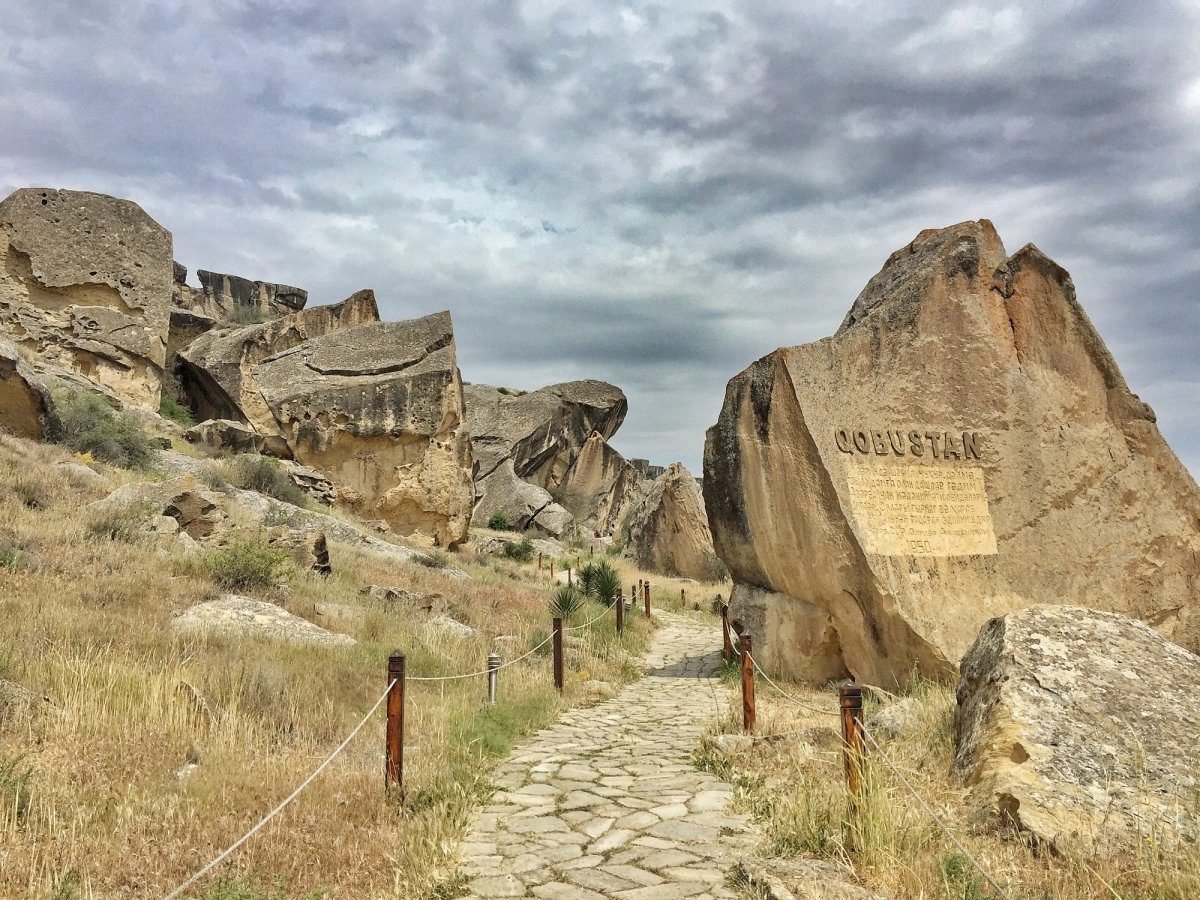
Petroglyphs
Yalli dances, reed boats, aurochs and hunting scenes — carved thousands of years ago.
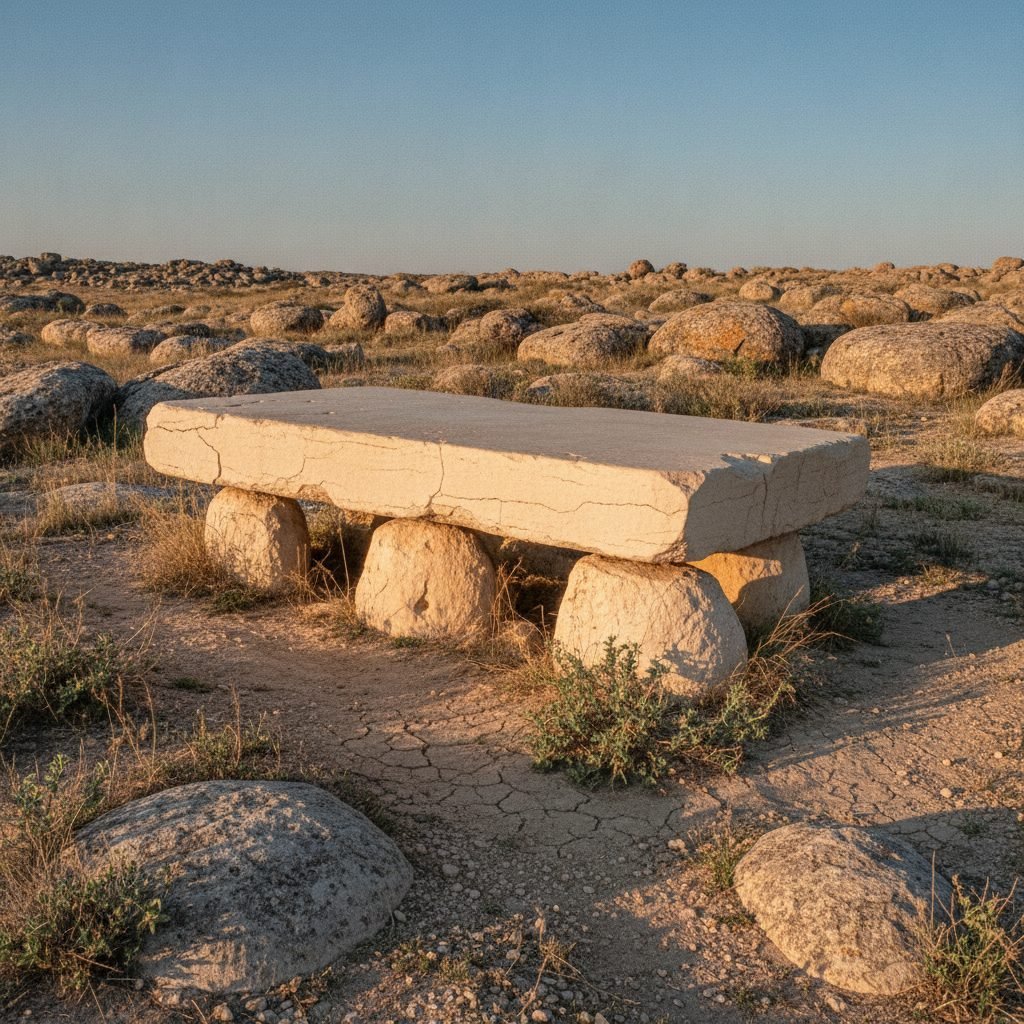
Gaval Dash
A flat stone that rings like a tambourine — an ancient musical instrument.
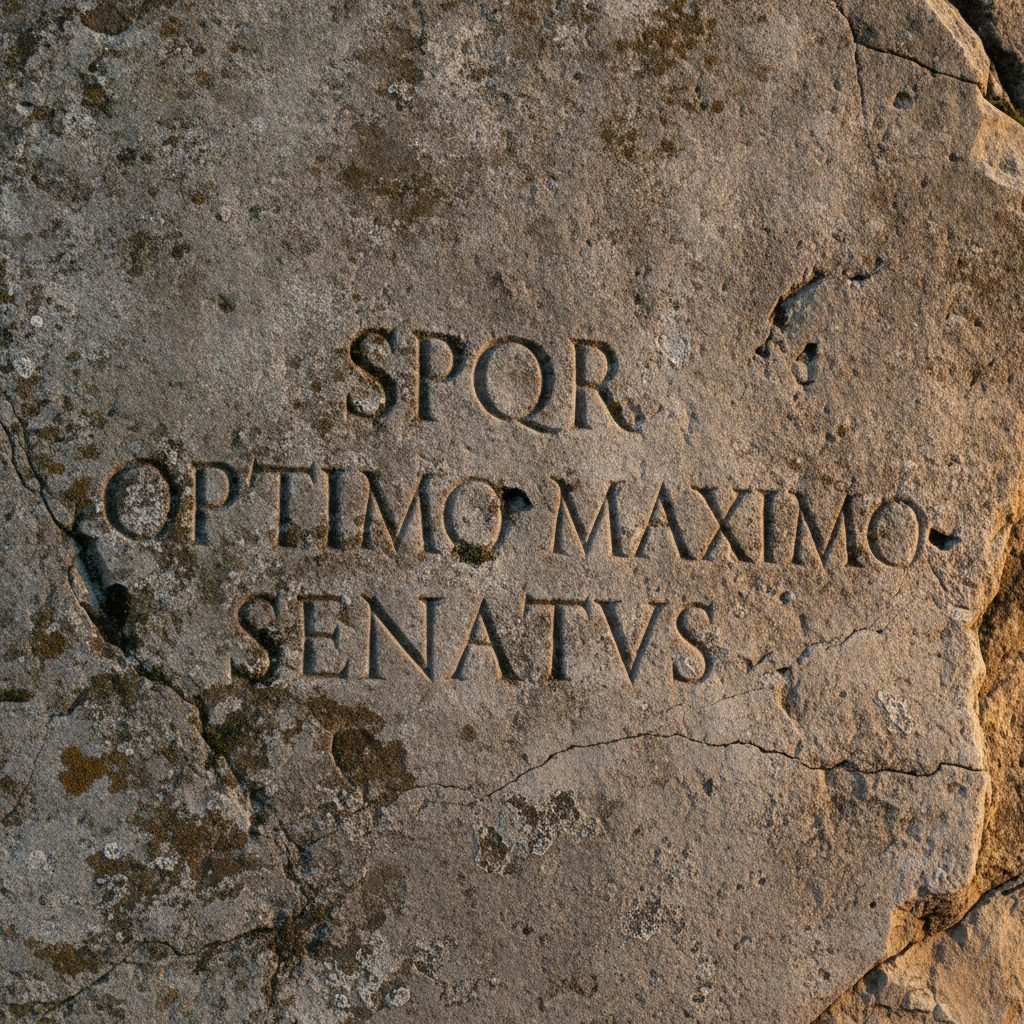
Roman inscription
First-century graffiti of the XII Legion — the easternmost Roman inscription in the world.
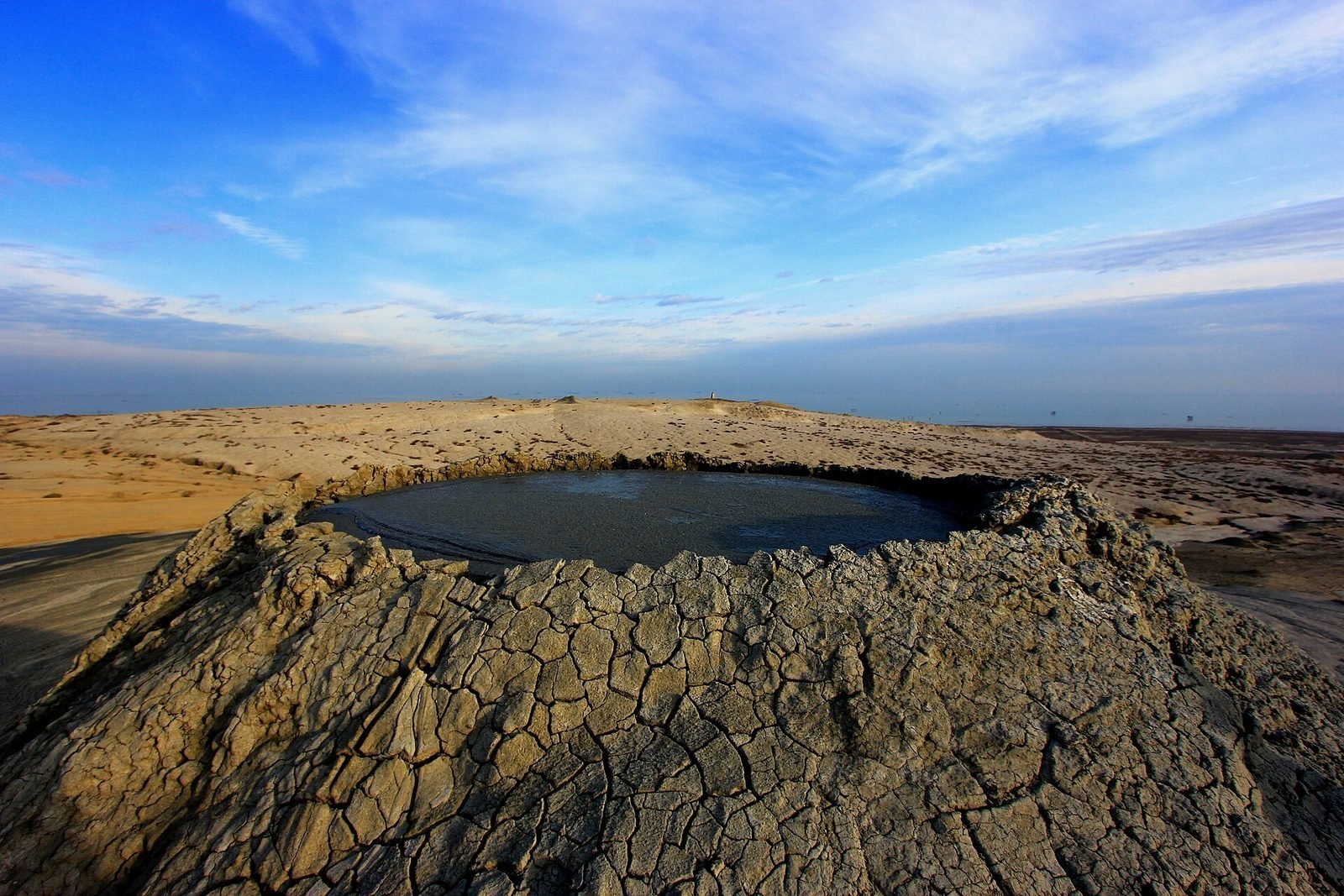
Mud volcanoes
Cold, bubbling clay — the world's greatest concentration of volcanoes.
Here the stone remembers longer than writing does.
Begin at the museum
The modern, interactive Petroglyph Museum (2013 "European Museum of the Year" award) introduces the world of Gobustan before you climb up to the cliffs.
About the museumAn hour's drive from Baku
The museum, the petroglyph trail and Gaval Dash make a half-day; add the mud volcanoes for a full day.
Getting there