The sound of stone and the mark of an empire
Two features that make Gobustan unique.
Gaval Dash — the singing stone
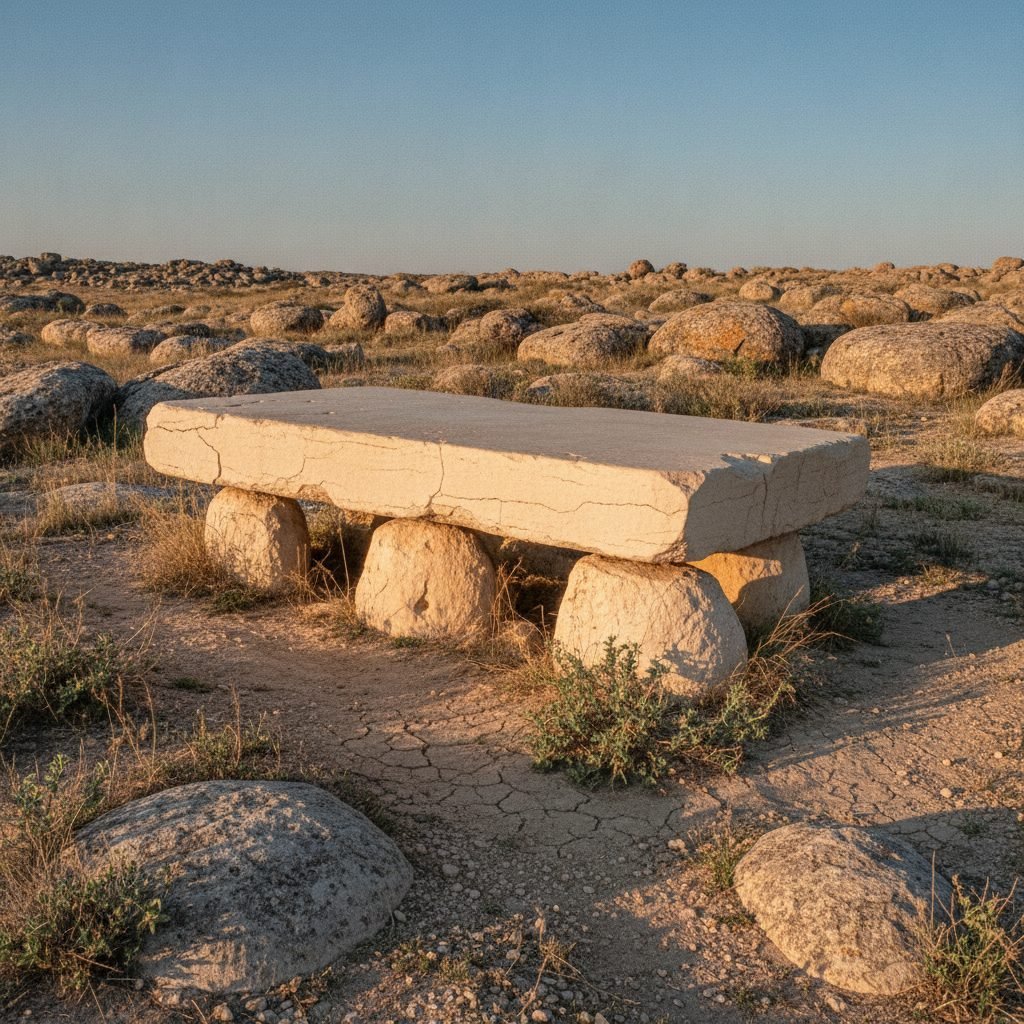
Gaval Dash is a large, flat stone almost two metres long, resting on several supports. When struck with small stones it produces a deep, ringing sound resembling a tambourine ("gaval" in Azerbaijani).
The resonance is thought to arise from microscopic cavities within the rock and from the way the stone is raised above the ground. Different parts of it sound differently. It was probably used to beat out the rhythm for ritual melodies and the "yalli" dance.
The easternmost Roman inscription
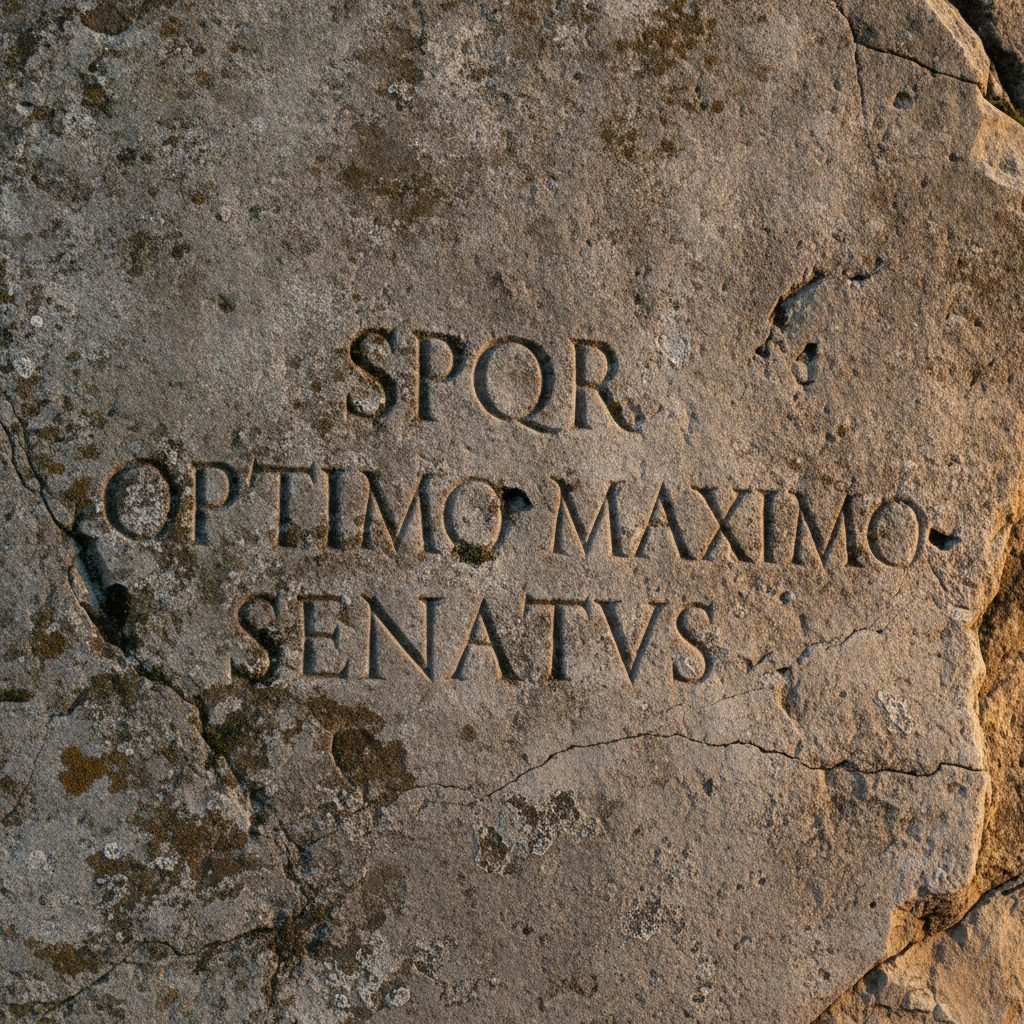
At the foot of Böyükdaş, a Latin inscription is carved into the rock by the Roman Legio XII Fulminata ("the Thundering") from the time of Emperor Domitian — the end of the 1st century AD. It is the easternmost known Roman inscription in the world.
It was discovered by Ishag Jafarzadeh in 1948. The inscription is evidence that Roman troops reached the shores of the Caspian.