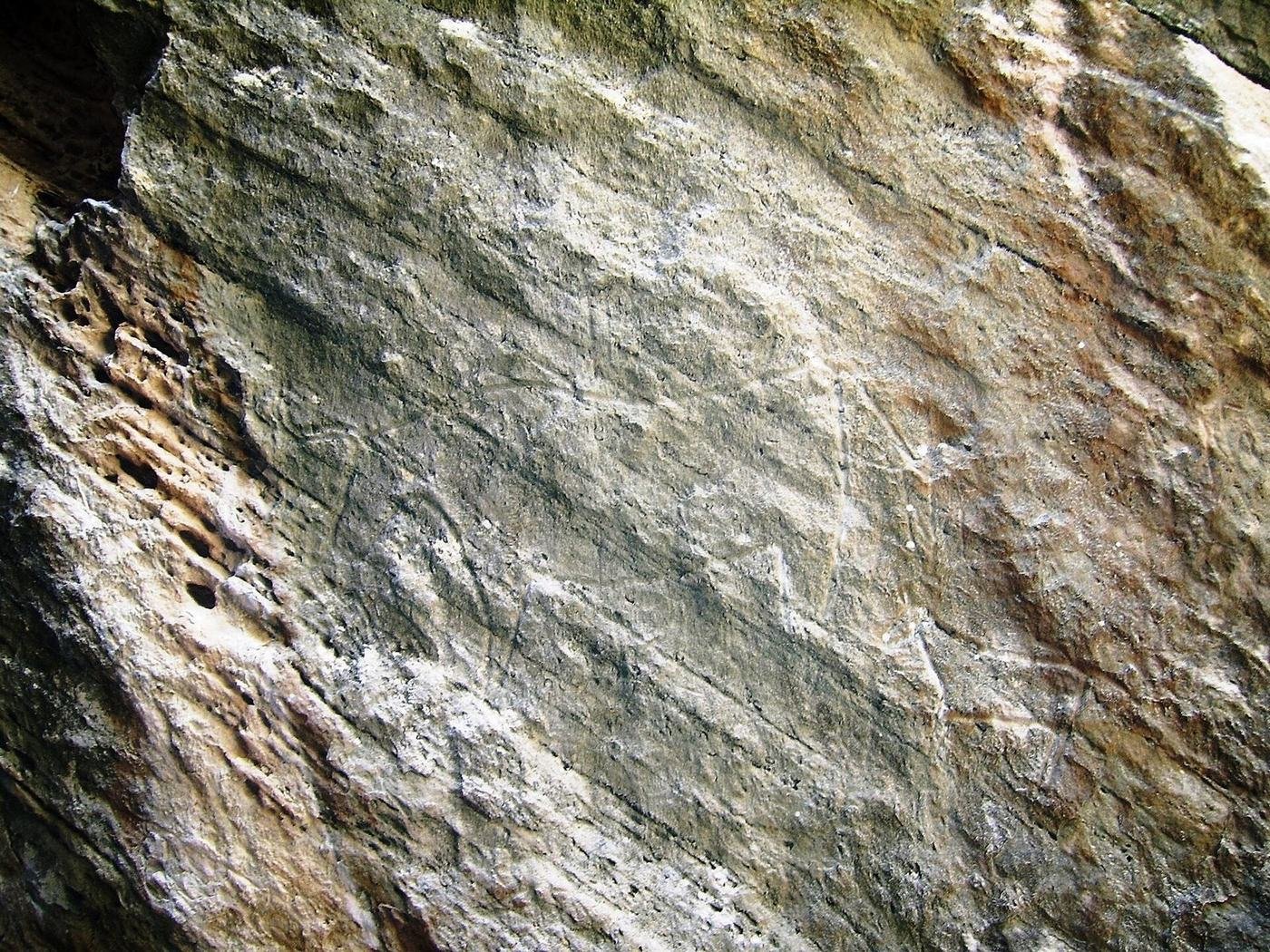
6000 carvings on 1000 rocks
A Stone Age picture gallery under the open sky.
What is depicted
The rocks of Gobustan bear male and female figures, scenes of the "yalli" dance (a chain of people holding hands), reed boats with rowers and a solar symbol at the prow, wild aurochs, gazelles, goats, horses, deer and boars, scenes of hunting and battle, camel caravans, the sun and the stars.
A dance that outlived millennia
The "yalli" — a round dance carved into the rocks in ancient times — is still danced by Azerbaijanis today. Gobustan shows that some traditions are older than any state.
The oldest boats
Images of reed vessels with dozens of rowers are dated to the Mesolithic. They speak of people who, even then, were putting out to sea.
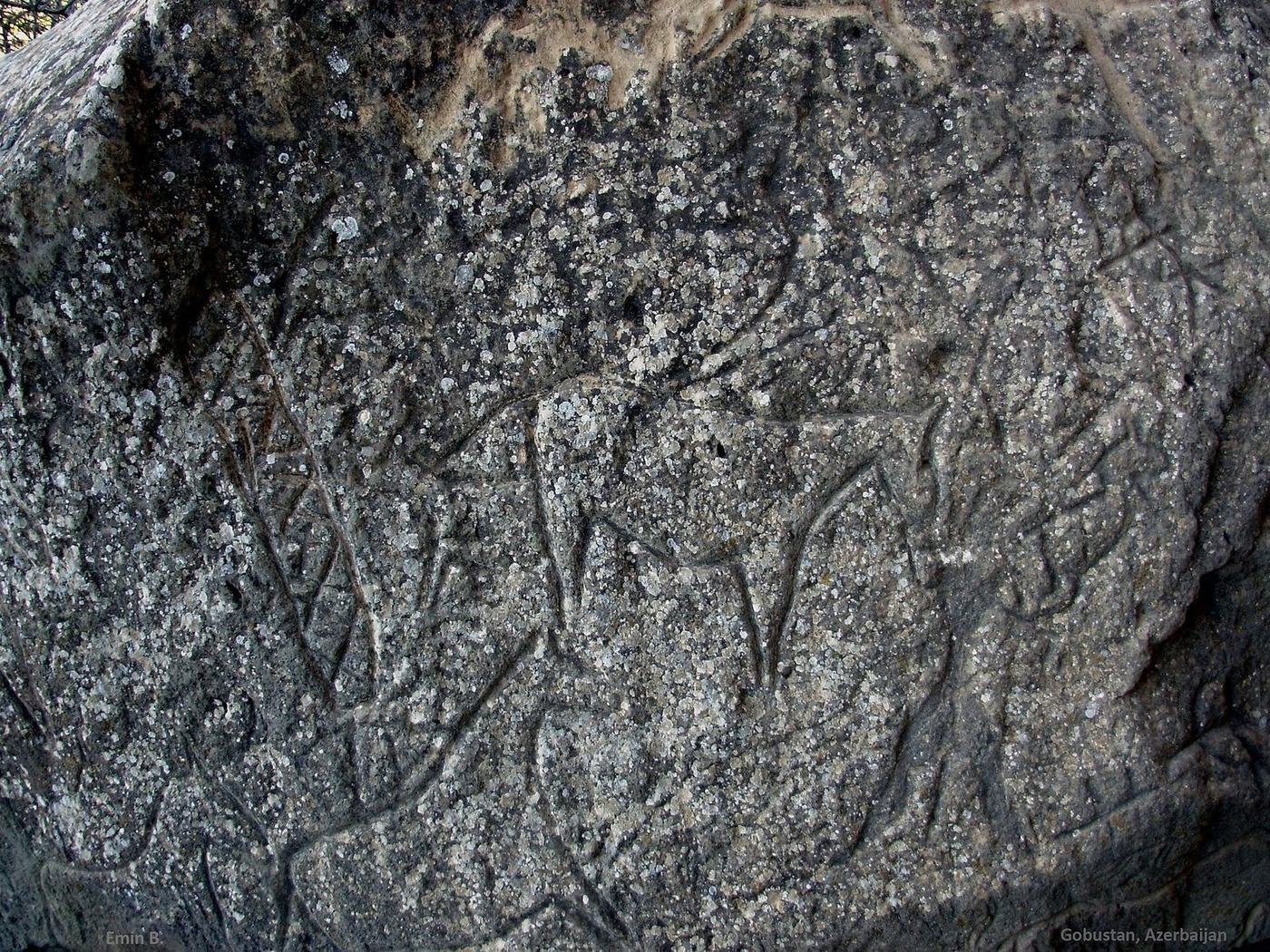
A changing world
The carvings reveal how nature changed: in the Pleistocene aurochs and wild horses predominated, and later, smaller animals. The stone recorded not only people, but the climate as well.
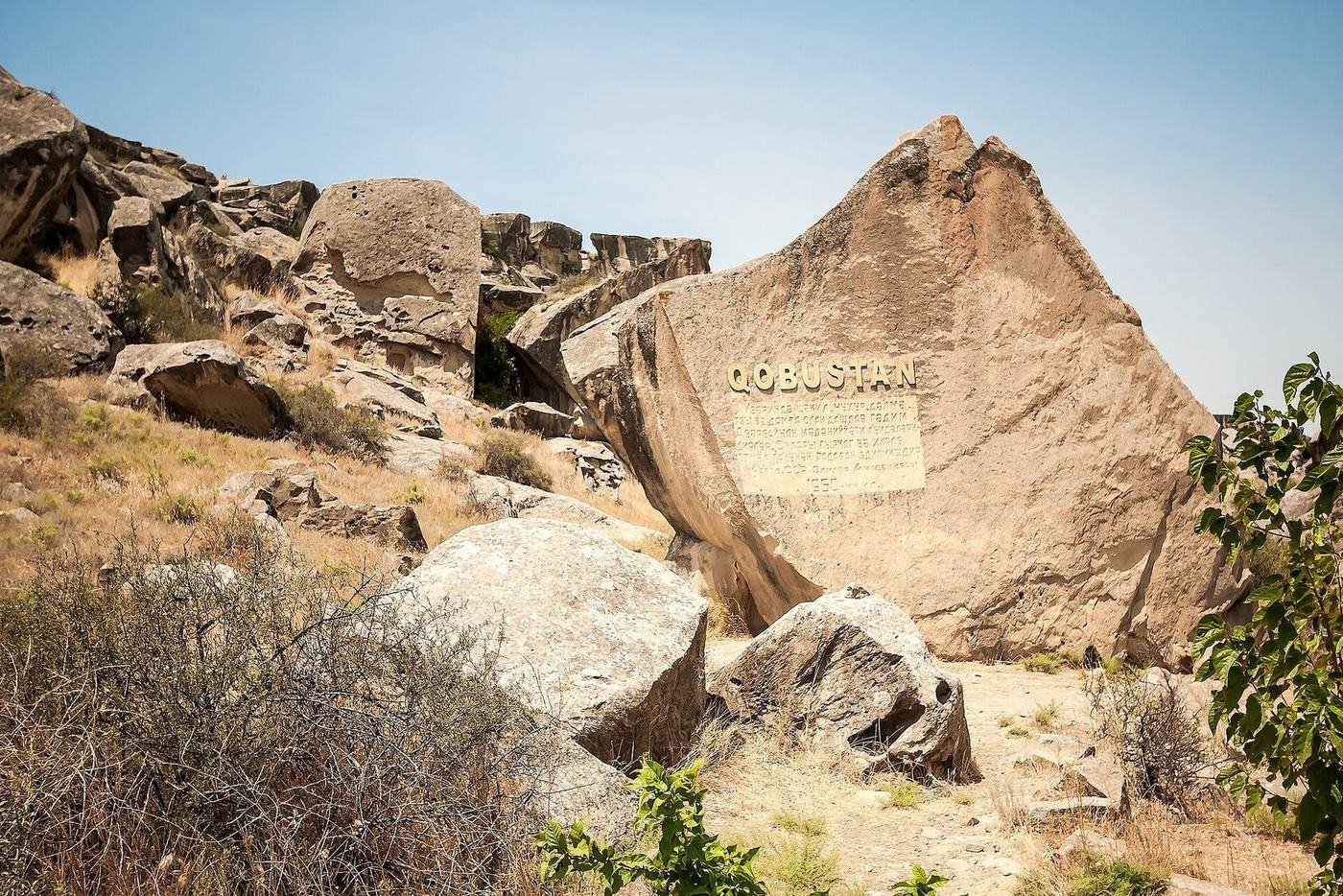
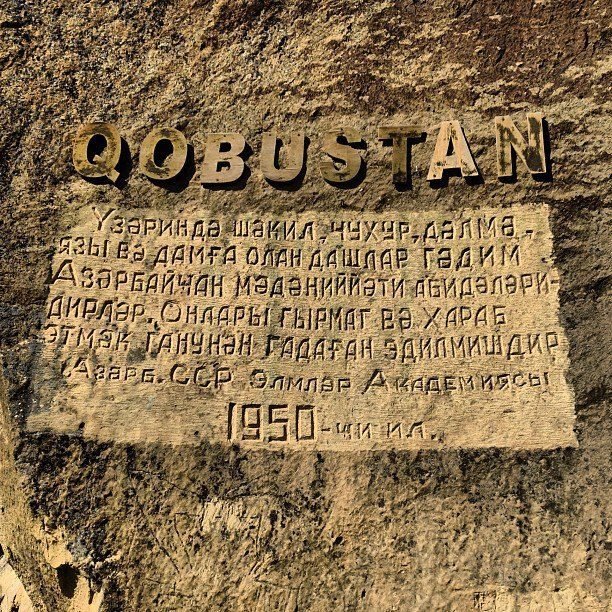
Who discovered Gobustan
The carvings were found by chance by quarry workers in the 1930s. Systematic excavations from 1939 were led by the Azerbaijani archaeologist Ishag Jafarzadeh — he documented hundreds of rocks bearing thousands of petroglyphs and divided them into six eras.